“Win it for the honour.”
Seasons, ladders and a final, run by volunteers and refereed fairly. There is nothing to pay and nothing to win except the title and the right to pick the next game.
“A name on the board.”
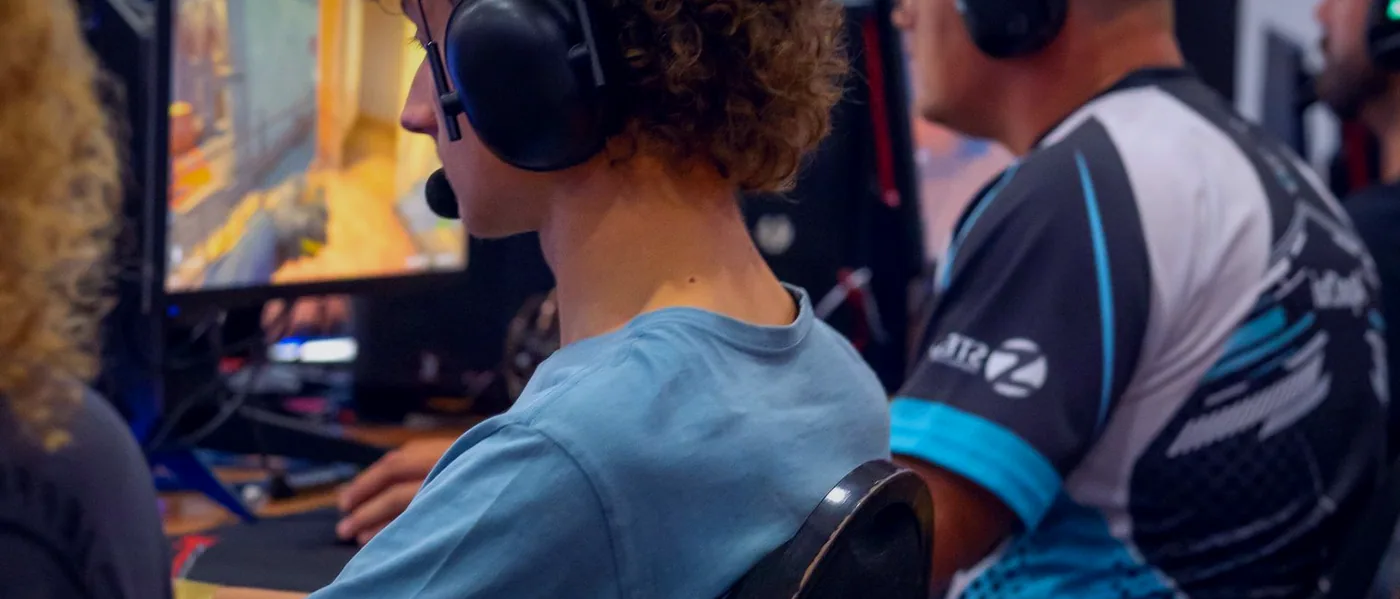
Our league runs in seasons of a few weeks. Teams and solo players are placed on a ladder, play one fixture a week over the network on Thursday nights (or earlier by arrangement) and move up or down with the results. The ladder lives on a whiteboard in the club room and as a pinned post in the chat server, so it is easy to check from the couch.
There is no money in it and there never will be. The winner of the season gets their nickname painted on the honour board, a title for the next season and the right to choose the game for the following Saturday. That is all, and it turns out to be plenty. A fair few people have come back mostly for the board.
“Sign-up to final.”
Sign up
Put your name or your team's name down on the join form or in the league channel. Solo entries are welcome; the organiser pairs people up so nobody is left out.
Draw the ladder
The referee places everyone on the ladder, trying to balance experience with new faces. The first fixtures are posted that night, with a note on which map or mode will be played.
Play your fixtures
Each week you play one match, either on Thursday in the club room or online by arrangement. Both sides report the score in the league channel, and a mismatch goes straight to the referee.
Referee it fairly
The referee watches for rule bends, handles every dispute privately and publishes the reasoning afterwards. Nobody has to argue their case in the open chat.
Finish with a final
The top teams meet on a Friday with the whole room watching. When the last match ends the winner picks the following Saturday's game and the honour board gets a fresh coat of paint.
“Questions from the ladder.”
“Do I need a team?”
No. Solo players are matched into teams at the draw, and a lot of lasting friendships began that way. If you have friends already, enter together and say so on the form. Teams of three to five work best, but pairs and solo entries are very welcome too.
“What if I miss a fixture?”
Tell the referee in the league channel before the night. A fixture can be moved by a few days, and the ladder pauses for work rosters and wet-season blackouts, because we know life gets in the way.
“Who checks the results?”
Both sides report the score, and the referee compares them. If something looks off, there is a quiet conversation first and a replay second. Nobody has ever been accused in public, and the referee's notes are kept private.
“If a match goes sideways.”
Flag it
Put your hand up in the room or type the match number in the league channel. Stop playing if you can; a paused match is easier to fix than a finished one, and the other side will be grateful for the courtesy.
Referee listens
The referee hears both sides separately, checks any replay or screenshot and says in plain words what happened, whichever way the call goes.
Result stands or replays
Most disputes end in a replay on the same night, with a handshake on the way out. The ladder is corrected straight away, the reasoning is posted in the league channel, and the honour board never carries an asterisk.